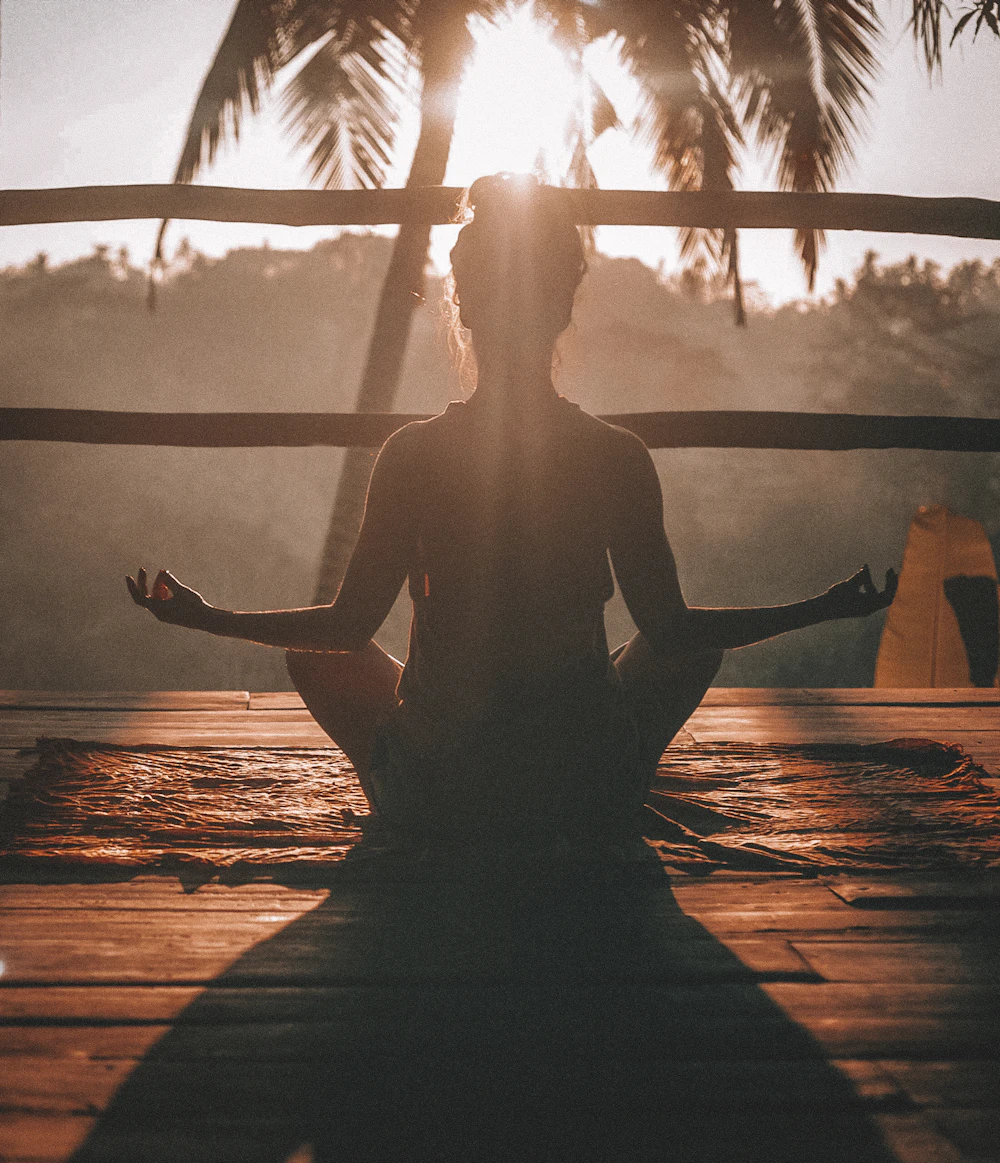

Your yoga practice is only as good as your ability to move freely and comfortably. While technique and consistency matter most, the fabric you wear plays a surprisingly important role in how you feel during practice—and whether you'll want to return to the mat tomorrow.
Understanding yoga fabrics helps you choose clothing that supports rather than hinders your practice.
Why Fabric Choice Matters
The demands of yoga are unique compared to other athletic activities:
- Full range of motion: Deep stretches require fabric that moves with you
- Multiple positions: Upside down, twisted, compressed—fabric must stay put
- Temperature regulation: Hot yoga vs. gentle flow have different needs
- Skin contact: You're close to your mat and others in class
- Extended sessions: Comfort over 60-90 minutes matters
Common Yoga Fabric Types
Nylon
Lightweight, strong, and quick-drying. Excellent stretch recovery means your leggings won't bag at the knees mid-practice. Most high-end yoga wear incorporates nylon blends. Downside: can feel less breathable than natural fibers.
Polyester
Durable and moisture-wicking, polyester pulls sweat away from skin. More affordable than nylon with similar performance characteristics. Modern polyester blends have overcome the "plastic" feel of older versions.
Spandex (Lycra/Elastane)
The stretch component in virtually all yoga wear. Usually blended at 15-25% with other fabrics to provide flexibility and shape retention. Too much spandex can make fabric feel too tight; too little results in poor stretch recovery.
Cotton
Natural, breathable, and comfortable against skin. Best for gentle, non-heated practices. Absorbs moisture (rather than wicking) so becomes heavy during sweaty sessions. Loses shape more quickly than synthetics.
Bamboo
Sustainable option with natural antibacterial properties. Soft texture with good breathability. Often blended with other materials for durability. Generally more eco-friendly than synthetic options.
Modal
Made from beech tree pulp, modal is incredibly soft and drapes beautifully. More durable than cotton with better moisture management. Popular in loose-fitting yoga tops and casual yoga wear.
Choosing the Right Fabric for Your Practice
Hot Yoga (Bikram, Hot Vinyasa)
Prioritize moisture-wicking synthetics—nylon/spandex blends perform best. Look for mesh ventilation panels. Avoid cotton, which becomes heavy and uncomfortable when saturated.
Vinyasa Flow
Medium-weight fabrics with good stretch. Nylon/spandex or polyester/spandex blends work well. Compression fit helps clothing stay in place during transitions.
Restorative/Yin Yoga
Comfort over performance. Soft fabrics like modal, bamboo, or cotton blends feel luxurious during longer holds. Loose fits are acceptable and often preferred.
Outdoor Yoga
Consider sun protection (some fabrics offer UPF ratings). Quick-dry properties help if morning dew or light rain appears. Slightly heavier weights prevent billowing in wind.
What to Look For When Shopping
- Four-way stretch: Moves horizontally and vertically
- Moisture management: Wicks sweat away from body
- Compression without restriction: Supportive but not constricting
- Flatlock seams: Prevents chafing during movement
- Gusseted crotch: Extra fabric panel for unrestricted movement
- High waistbands: Stay put during inversions and folds
Care Tips for Longevity
Extend the life of your yoga wear:
- Wash in cold water to preserve elasticity
- Skip fabric softener—it degrades moisture-wicking properties
- Air dry when possible; low heat if machine drying
- Turn inside out to protect outer finish
- Wash promptly after sweaty sessions to prevent odor buildup
The Bottom Line
The best yoga fabric is one you forget you're wearing—it moves with you, keeps you comfortable, and stays in place without constant adjustment. While premium fabrics cost more upfront, quality yoga wear lasts longer and performs better through hundreds of practices.
Invest in a few quality pieces rather than a drawer full of mediocre options. Your practice—and your comfort—will thank you.


