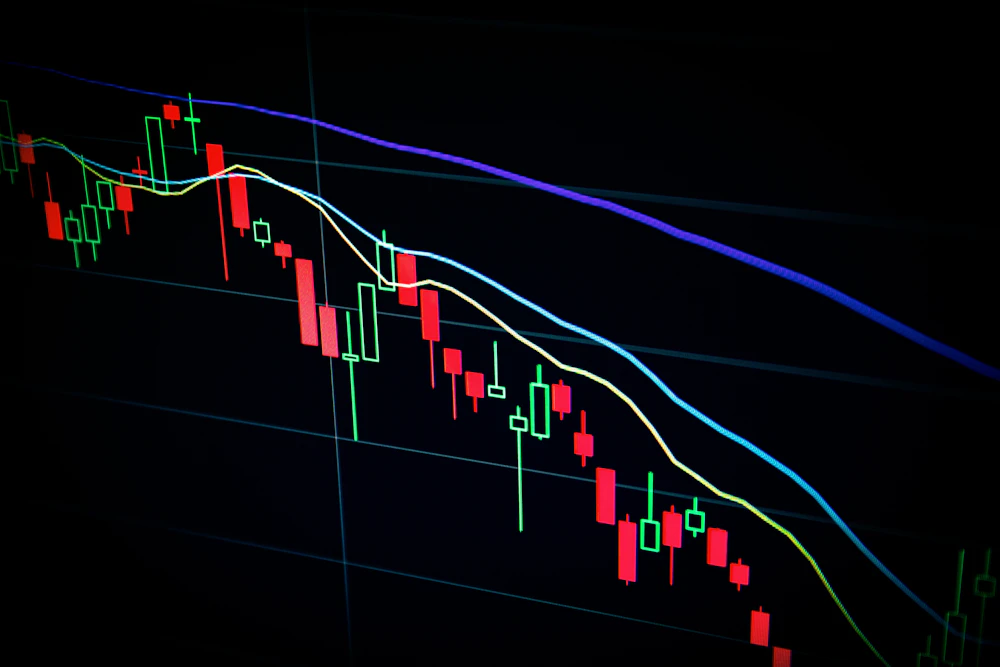

The S&P 500 closed at 6,870.40 on Friday, notching its fourth consecutive winning day and its ninth positive session in ten. The Dow Jones Industrial Average sits just below 48,000. By any historical measure, these are extraordinary levels.
The question on every investor's mind: is this sustainable?
The Bull Case: Why Markets Could Keep Climbing
Earnings remain strong
Corporate profits continue to exceed expectations. Third-quarter earnings season delivered solid results, with companies like Salesforce and Victoria's Secret posting beats that sent their stocks soaring. As long as companies keep making money, stocks have fundamental support.
The Fed is cutting
Interest rate cuts are typically bullish for stocks. Lower rates reduce corporate borrowing costs, make bonds less attractive relative to equities, and boost the present value of future earnings. With another cut expected next week, monetary policy remains supportive.
Consumer resilience
Despite tariff pressures and shutdown disruptions, consumers keep spending. Retail sales have held up, holiday shopping appears robust, and consumer sentiment improved in early December. The U.S. consumer remains the engine of the global economy.
Mega-deal activity
Netflix's $82.7 billion acquisition of Warner Bros. signals corporate confidence. Companies don't make massive bets when they expect imminent recession. M&A activity often accelerates during bull markets as companies deploy cash and pursue growth.
The Bear Case: Reasons for Caution
Valuations are stretched
The S&P 500 trades at roughly 22x forward earnings—well above the historical average of 16-17x. While high valuations don't predict imminent crashes, they typically correlate with lower future returns. Buying expensive assets means lower expected gains.
Concentration risk
A handful of mega-cap tech stocks account for a disproportionate share of index gains. If these leaders stumble, the broader market could fall even as most stocks hold steady. Diversification within the index has declined.
Tariff uncertainty
The full impact of 18% average tariffs hasn't been felt yet. Companies have been absorbing costs and drawing down inventory. As these buffers exhaust, price increases and margin compression could accelerate. Some forecasters see recession risk rising.
Data blind spots
The shutdown created gaps in economic data that make it harder to assess true conditions. Markets may be pricing in a rosier scenario than reality warrants simply because we can't see the full picture.
What History Tells Us
Looking at previous periods when the S&P 500 reached new highs:
- Stocks at all-time highs tend to keep rising in the near term (momentum is real)
- However, starting valuations are the best predictor of long-term returns
- The average 10-year return from high valuations is significantly lower than from low valuations
This doesn't mean you should sell everything—but it does mean expectations should be calibrated accordingly.
How to Position Your Portfolio
Stay invested, but diversify
Trying to time market tops is a fool's errand. But this is a reasonable time to ensure you're not overexposed to U.S. large-cap stocks. International equities, small caps, and bonds can provide ballast.
Rebalance if needed
If strong 2025 gains have pushed your stock allocation above target, consider trimming back to your intended mix. This isn't market timing—it's risk management.
Focus on quality
In elevated markets, quality matters more. Companies with strong balance sheets, consistent earnings, and competitive moats tend to hold up better during corrections. Avoid speculative names trading on hope rather than fundamentals.
Keep contributing
Regular investments through 401(k)s and IRAs smooth out volatility. If markets pull back, you'll be buying at lower prices. If they keep rising, you'll participate in the gains. Dollar-cost averaging works.
The Bottom Line
Is the market too high? Probably, by historical standards. Does that mean a crash is imminent? Not necessarily. Markets can stay "overvalued" for years, and trying to time the top is usually costly.
The wisest approach is balance: stay invested to capture continued gains, but maintain diversification and risk controls. Expect more modest returns over the next decade than the last. And remember that short-term market levels matter far less than your long-term investment discipline.
The S&P 500 at 6,870 is just a number. Your financial plan is what matters.


