
Consumer 'Spending Hangover' Emerges as Retail Growth Projected to Slow to 1.5% in 2026
After holiday sales crossed $1 trillion for the first time, analysts warn of a spending hangover in 2026. Real consumer spending growth may slow to just 1.5%.
TRENDING TOPICS
191 articles found for "debt"
After holiday sales crossed $1 trillion for the first time, analysts warn of a spending hangover in 2026. Real consumer spending growth may slow to just 1.5%.

Federal Reserve data shows revolving credit decreased at a 1.9% annual rate as consumers pull back on borrowing amid elevated interest rates and tariff-driven inflation fears.
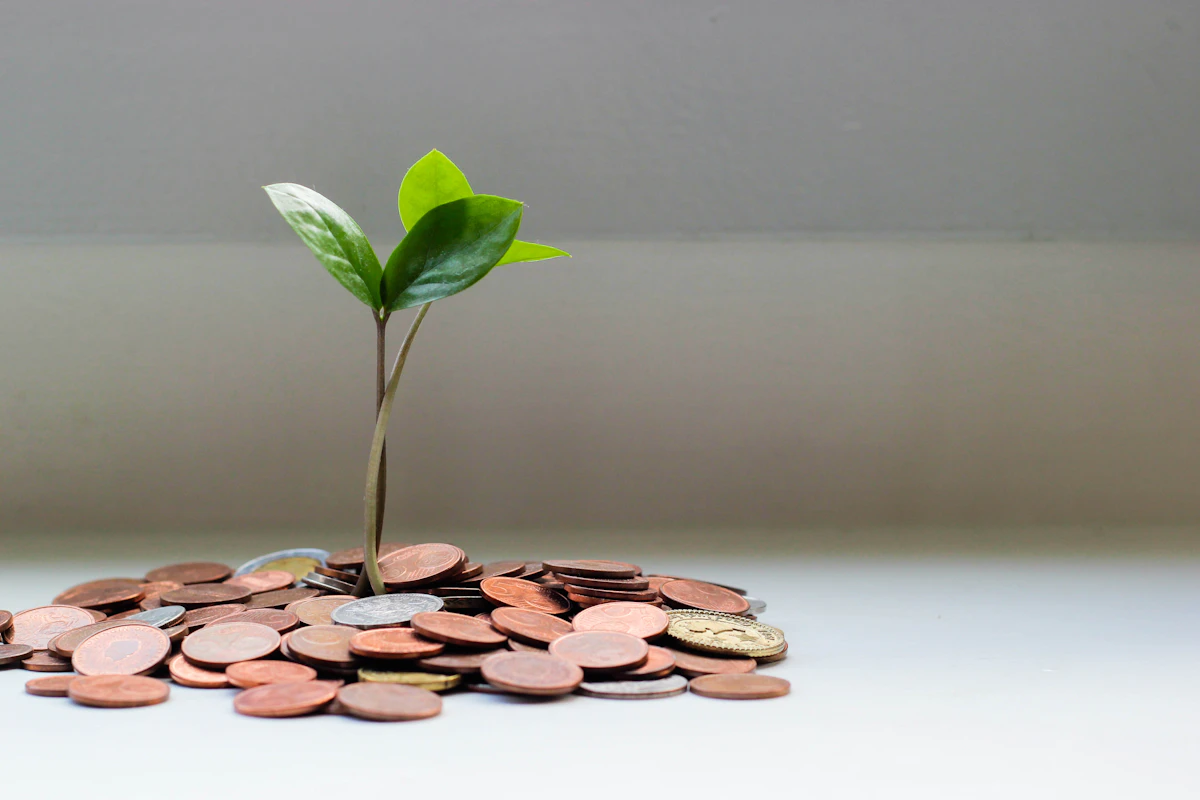
Credit card delinquencies have hit a five-year high while consumer spending remains robust. The paradox reveals an economy that's booming for some and buckling for others.
Federal Reserve data shows Americans reduced credit card balances by $2.1 billion in November, marking the first pullback in revolving credit in nearly three years.

Nearly 60% of Americans believe the US economy is in a recession despite positive GDP growth. Here's the economic and psychological truth behind the 'boomcession' — and what it means for your finances.

A new survey reveals 42% of U.S. households are stockpiling non-perishable food, toilet paper, and medical supplies while one in five Americans admit to 'doom spending' driven by tariff fears.
New data reveals America's economic divide has reached historic proportions, with the wealthiest 20% accounting for 57% of all consumer spending while lower-income households struggle.
Bankrate's 2026 survey reveals record-high financial fragility as more than one in four Americans have zero emergency savings and only 47% could cover a $1,000 expense.

The personal savings rate has dropped to 3.5%, near its lowest level since 2005. With disposable income growth stalling at 0.1% and consumer spending still rising, the math is unsustainable.
America's personal savings rate has dropped to 3.5%, the lowest since 2022. With consumer spending declining and tariff fatigue setting in, here's what this trend means for household financial health.
Moody's projects real consumer spending growth of just 1.5% in 2026. Lower-income Americans are cutting dining, travel, and fitness as the K-shaped economy widens.
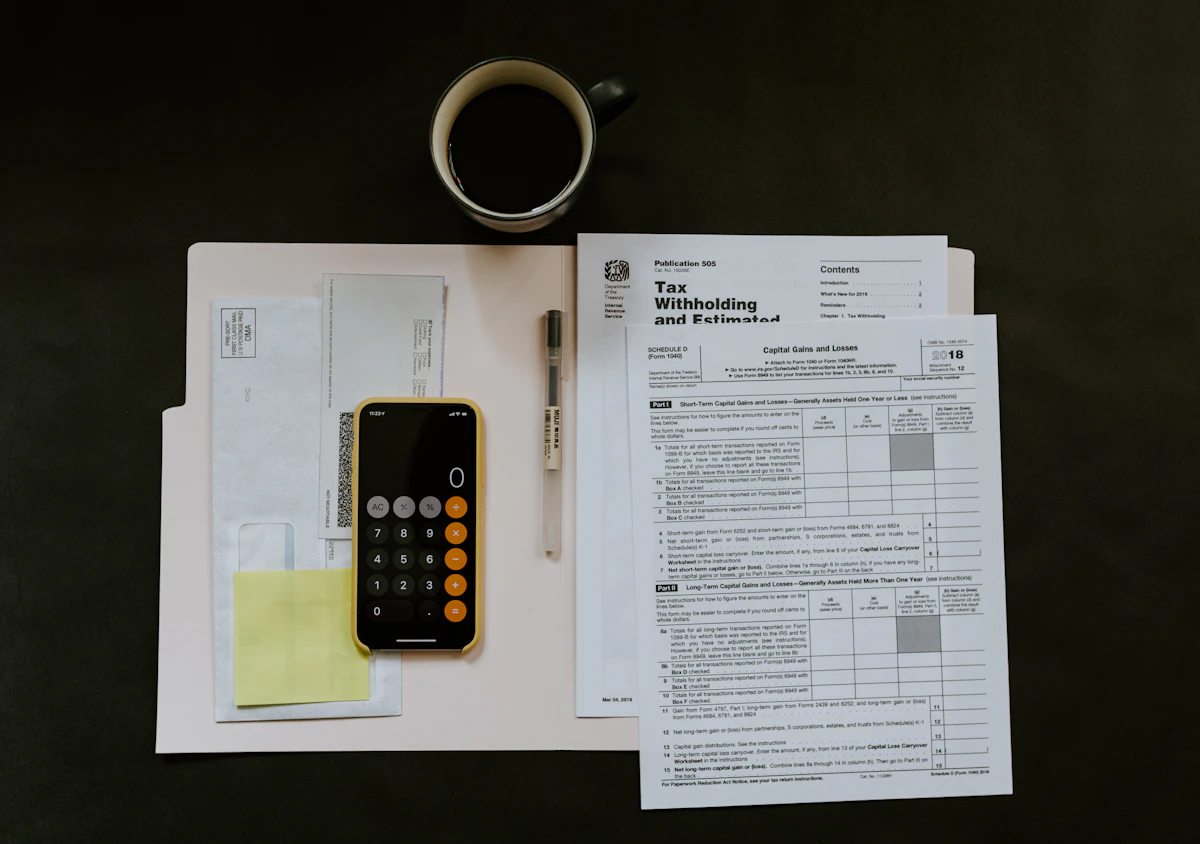
IRS data shows the average tax refund is $2,290 so far in 2026, up 10.9% from last year. Financial experts say the way most Americans spend their refund is the biggest missed opportunity of the year.