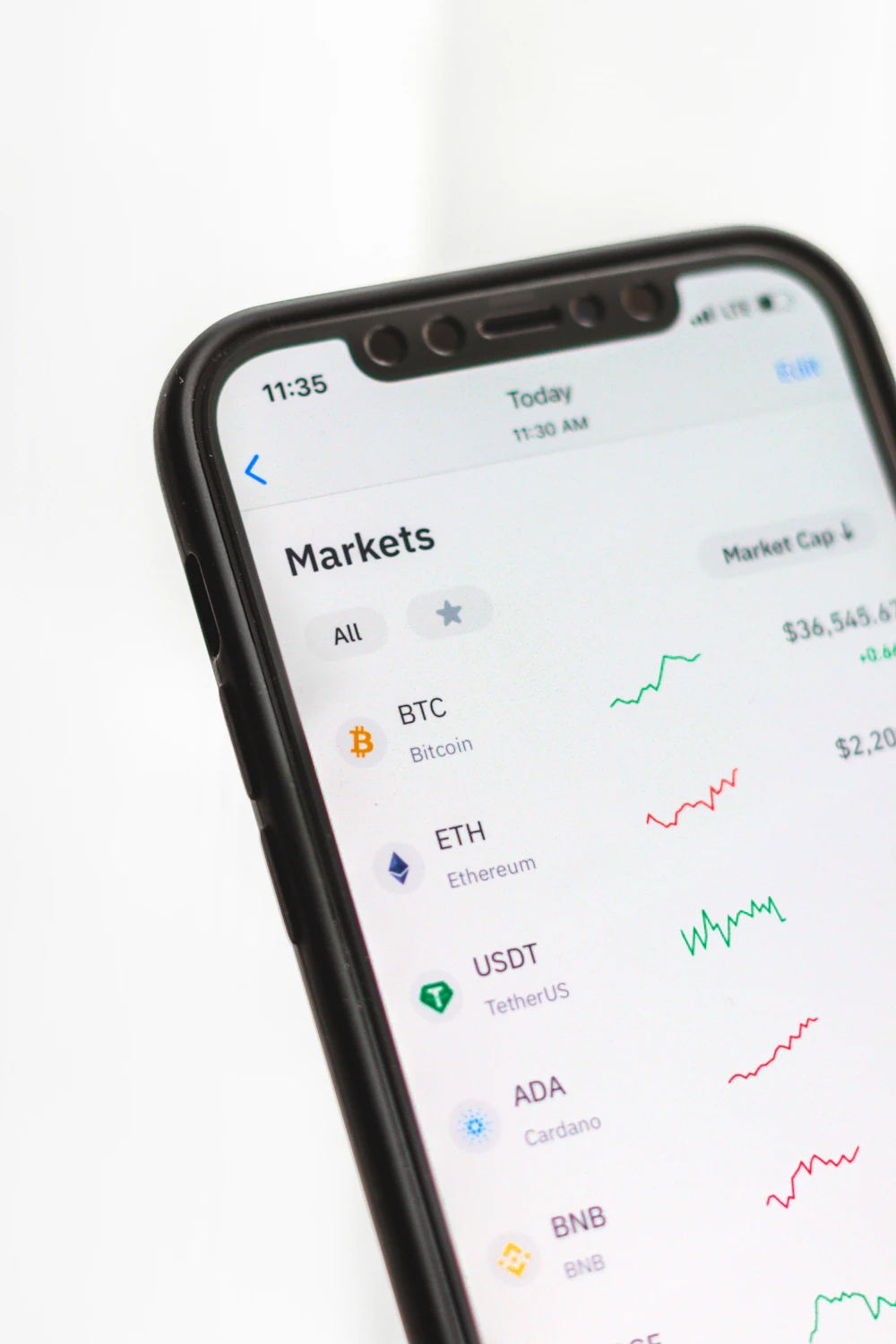

Bitcoin slipped below $90,000 Thursday morning, trading near $90,298—down about 2% from its pre-Fed levels. The irony: the Federal Reserve delivered exactly what crypto bulls wanted. Rates were cut. Liquidity conditions eased. Yet Bitcoin sold off anyway.
Welcome to the "buy the rumor, sell the news" phenomenon—one of the oldest patterns in financial markets, and a trap that catches traders cycle after cycle.
What Happened
In the days leading up to Wednesday's Fed decision, Bitcoin rallied to $94,000. Traders anticipated the rate cut and positioned accordingly. When the Fed delivered the expected 25 basis point reduction, there was no catalyst left to drive prices higher.
The result: profit-taking. Traders who bought in anticipation of the announcement sold once the news was confirmed. Bitcoin dropped $4,000+ in less than 24 hours.
The broader crypto market followed. Total cryptocurrency market capitalization fell from $3.22 trillion to $3.07 trillion. Ethereum, Solana, XRP, and other major altcoins declined in sympathy.
The "Sell the News" Pattern Explained
This pattern repeats across every asset class, but crypto's volatility makes it particularly pronounced. Here's the psychology:
Phase 1: Anticipation
Traders expect a positive event (rate cut, ETF approval, halving). They buy in advance, pushing prices higher. The expected event becomes "priced in."
Phase 2: The Event
The anticipated event occurs exactly as expected. But there's no new information—traders already knew this was coming. The buying pressure that drove the rally evaporates.
Phase 3: Reality Check
Without new buyers, early traders take profits. Prices decline despite the "bullish" news. Latecomers who bought expecting continuation get caught.
Bitcoin's Fed reaction is a textbook example. The rate cut was 87% priced in according to futures markets. When the Fed delivered exactly what was expected, there was nothing left to buy.
Why This Matters More Than Usual
Several factors amplified today's selloff:
Powell's Hawkish Tone
While the Fed cut rates, Chair Powell signaled only one additional cut in 2026—fewer than markets had hoped. The "hawkish cut" message suggested the easing cycle may be ending sooner than expected.
For Bitcoin bulls counting on continued rate cuts to fuel a rally to $100,000+, this was disappointing. Less monetary easing means less liquidity flowing into risk assets.
The $100K Psychological Barrier
Bitcoin has repeatedly failed to break and hold above $100,000. Each failure reinforces the resistance level. Traders who bought hoping the Fed would provide the catalyst to break through are now underwater.
Year-End Tax Selling
December often sees profit-taking as traders harvest gains or losses for tax purposes. Bitcoin's 2025 rally created significant gains that some investors are choosing to realize before year-end.
The Technical Picture
For technically-inclined traders, Bitcoin's chart shows a precarious setup:
- Support: $88,000 is the immediate support level. A break below could trigger further selling toward $85,000.
- Resistance: $95,000 has capped recent rallies. Bulls need to reclaim this level to restore momentum.
- Trend: Bitcoin is down 20% over 90 days, suggesting the November/December period has been challenging despite intermittent rallies.
The $90,000 level is psychologically important. Holding above it would suggest the selloff is profit-taking within an uptrend. Breaking below convincingly would indicate more serious weakness.
On-Chain Data Offers Hope
Not all indicators are bearish. On-chain analysts note that long-term holders are not selling aggressively—suggesting conviction remains despite short-term volatility.
Exchange outflows have continued, indicating investors are moving Bitcoin to cold storage rather than preparing to sell. This "HODLing" behavior typically precedes price recoveries.
Analysts at Koinly note that bulls are "firmly defending the $90,000 level," and the selloff may represent a "buy-the-dip" opportunity rather than the start of a larger decline.
What Comes Next
Bitcoin's near-term trajectory depends on several factors:
If bulls can hold $90,000: The selloff may prove to be healthy consolidation. A bounce from here could target $95,000, with $100,000 remaining the year-end goal.
If $88,000 breaks: Technical damage increases. The next support is around $85,000, with $80,000 possible in a more severe correction.
Macro factors: Friday's inflation data and next week's economic releases will influence Fed expectations. Any indication of more cuts could reignite risk appetite.
Lessons for Crypto Investors
Today's price action offers valuable reminders:
1. Events Are Often Priced In
By the time a widely anticipated event occurs, the price move has already happened. Trading the event itself is often too late.
2. The Reaction Matters More Than the Event
A rate cut is bullish for risk assets—in theory. But how the market reacts tells you more than the event itself. When good news triggers selling, it's a warning sign about positioning.
3. Dollar-Cost Averaging Beats Timing
Trying to buy before announcements and sell after is a game most traders lose. Regular, systematic investment removes the stress of timing and reduces the risk of getting caught in "sell the news" traps.
4. Position Sizing Protects Capital
Bitcoin dropping from $94,000 to $90,000 is a 4% move—painful but manageable for properly sized positions. Overleveraged traders face liquidation. Conservative position sizing is essential in crypto.
The Bottom Line
Bitcoin's drop below $90,000 after the Fed rate cut is a classic "sell the news" event. The rate cut was bullish, but it was already priced in. Without a fresh catalyst, profit-taking dominated.
For long-term investors, this volatility is noise. Bitcoin's fundamental case—scarcity, adoption, institutional interest—remains intact regardless of whether the price is $90,000 or $94,000.
For traders, the lesson is humility. Markets don't always respond logically to news. Understanding positioning and sentiment matters as much as understanding fundamentals.
The $90,000 level is the line in the sand. How Bitcoin behaves here will determine whether this is a buying opportunity or the start of something worse.


