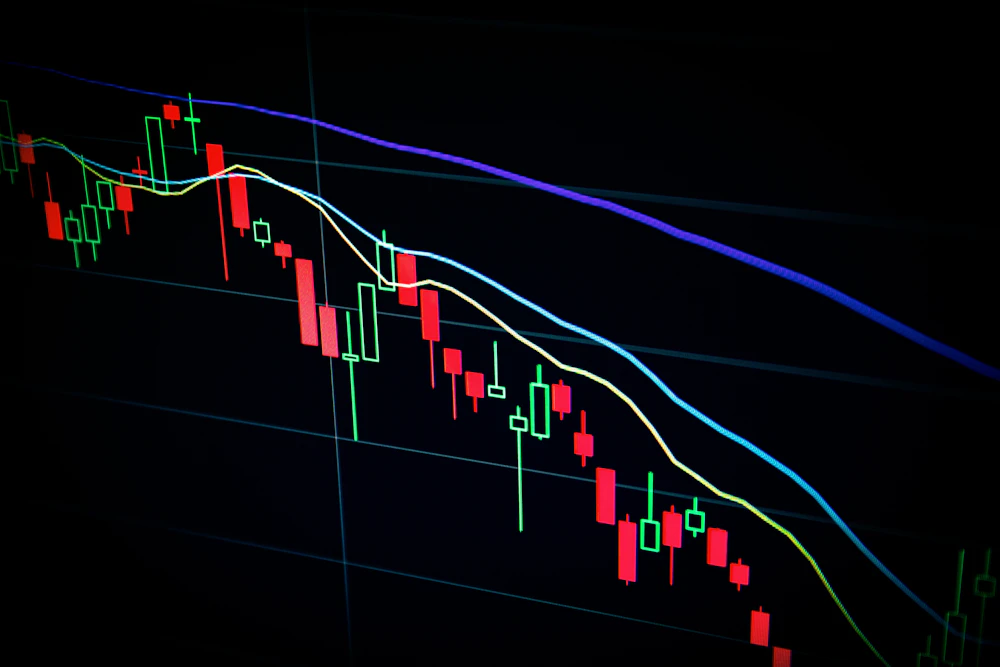

March 23, 2020. The S&P 500 had crashed 34% in just 33 days. Headlines screamed about economic collapse. Experts predicted a depression. Fear was everywhere.
It was the best buying opportunity in a decade.
Investors who bought that day saw 70% gains within a year. But most people didn't buy. They sold—at the worst possible moment, locking in losses that took years to recover.
The Pattern That Always Repeats
Every market cycle follows the same emotional arc:
Optimism → Enthusiasm → Euphoria → Peak
Anxiety → Fear → Panic → Bottom
Recovery → Optimism → (cycle repeats)
The tragedy is that most investors buy during euphoria (when prices are highest) and sell during panic (when prices are lowest). They do the exact opposite of what builds wealth.
"Be fearful when others are greedy, and greedy when others are fearful."
— Warren Buffett
This quote is famous because it's true. And almost no one follows it.
The Historical Evidence
Consider what happened after major market crashes:
1987 Black Monday (-22% in one day):
- 5-year return after crash: +96%
- 10-year return after crash: +395%
2008 Financial Crisis (-57% peak to trough):
- 5-year return after bottom: +178%
- 10-year return after bottom: +401%
2020 COVID Crash (-34% in 33 days):
- 1-year return after bottom: +75%
- 3-year return after bottom: +52%
The pattern is consistent across a century of data: crashes are followed by substantial recoveries. The question isn't if markets recover—it's whether you're invested when they do.
Why We Fail at This
If buying during crashes is so obviously profitable, why do most investors fail?
Loss aversion: We feel losses twice as intensely as equivalent gains. A 30% drop feels catastrophic even knowing markets have always recovered.
Recency bias: During crashes, it feels like things will keep getting worse forever. During booms, it feels like gains will continue forever. Both feelings are wrong.
Social proof: When everyone around you is panicking, panic feels rational. The herd instinct is powerful—and expensive.
Media amplification: Financial news is incentivized to maximize fear. "Markets may keep falling" gets clicks. "This is normal, stay calm" doesn't.
The Practical Framework
You can't predict bottoms. You can prepare for them.
1. Maintain a crash fund.
Keep 5-10% of your portfolio in cash or short-term bonds. Not for emergencies—for opportunities. When markets crash 20%+, deploy this capital systematically.
2. Automate through volatility.
Dollar-cost averaging (investing fixed amounts at regular intervals) forces you to buy more shares when prices are low. It's psychologically easier than lump-sum decisions during chaos.
3. Create buying rules in advance.
Decide now: "If the S&P 500 drops 20%, I'll invest an extra $X. If it drops 30%, I'll invest another $Y." Written rules prevent emotional decisions.
4. Ignore the news during crashes.
Seriously. The news tells you why things are terrible—which is already reflected in prices. It won't tell you when to buy. Your predetermined rules will.
The Rebalancing Approach
Even simpler: rebalance your portfolio during crashes.
Example portfolio: 80% stocks, 20% bonds
After a 30% stock crash: Portfolio becomes ~70% stocks, 30% bonds
Rebalancing action: Sell bonds, buy stocks to return to 80/20
This mechanically forces you to buy low (stocks after crash) and sell high (bonds that held value). No prediction required—just discipline.
What "Buying the Dip" Doesn't Mean
This strategy has important caveats:
It's not market timing. You're not trying to call the exact bottom. You're systematically increasing equity exposure when prices are significantly lower than recent highs.
It requires long time horizons. Markets don't recover on your schedule. The 2008 crash took 4+ years to recover. You need patience measured in years, not months.
It requires emotional discipline. Buying when everything feels terrible is genuinely hard. Having rules written in advance helps, but it still requires courage.
It's not for money you need soon. Never invest money you'll need within 5 years in stocks, crash or no crash.
The Mental Models That Help
Stocks are on sale. When your favorite store has a 30% off sale, you buy more. Why does a 30% stock market "sale" trigger selling instead?
You're buying future earnings. A crash doesn't change what companies will earn over the next 20 years. It just changes what you pay for those earnings.
Volatility is the price of admission. Stocks return more than bonds because they're volatile. The crashes are the reason for the premium. Accept them as cost, not crisis.
Building the Crash-Ready Portfolio
Position yourself now for the inevitable next crash:
Emergency fund: 6+ months expenses in savings. This prevents forced selling.
Opportunity fund: 5-10% in cash or short-term bonds. Ready to deploy in crashes.
Core portfolio: Low-cost index funds you'll hold regardless of market conditions.
Written plan: Specific rules for what you'll do at 20%, 30%, 40% drawdowns.
Automated investing: Contributions that continue regardless of market conditions.
The Bottom Line
The next crash is coming. It might be next month or next decade, but it's coming. When it arrives, you'll face a choice: panic with the crowd, or profit from their panic.
The investors who build real wealth aren't smarter or luckier. They're simply prepared—financially and psychologically—to do what feels wrong in the moment but proves right over time.
As Baron Rothschild allegedly said: "Buy when there's blood in the streets, even if the blood is your own."


